Bathroom renovations across Melbourne's northern belt.
From the post-war weatherboards of Reservoir and Preston through the brick-veneer streets of Coburg, Fawkner and Glenroy up to the newer estates around Epping and Mill Park, our northern suburbs work covers Melbourne's most varied housing stock. Every job runs the same twelve-stage build with licensed plumbing and electrical, waterproofing certificates, and fixed pricing.
- Licensed BuilderRegistered Victorian builder
- Waterproofing Certificate ProvidedWet areas to AS3740
- Fully InsuredPublic liability cover in place
- Fixed Written QuoteScope priced line by line
Bathroom styles for Northern Melbourne homes.
Design directions and material palettes to inspire your renovation — not completed projects.
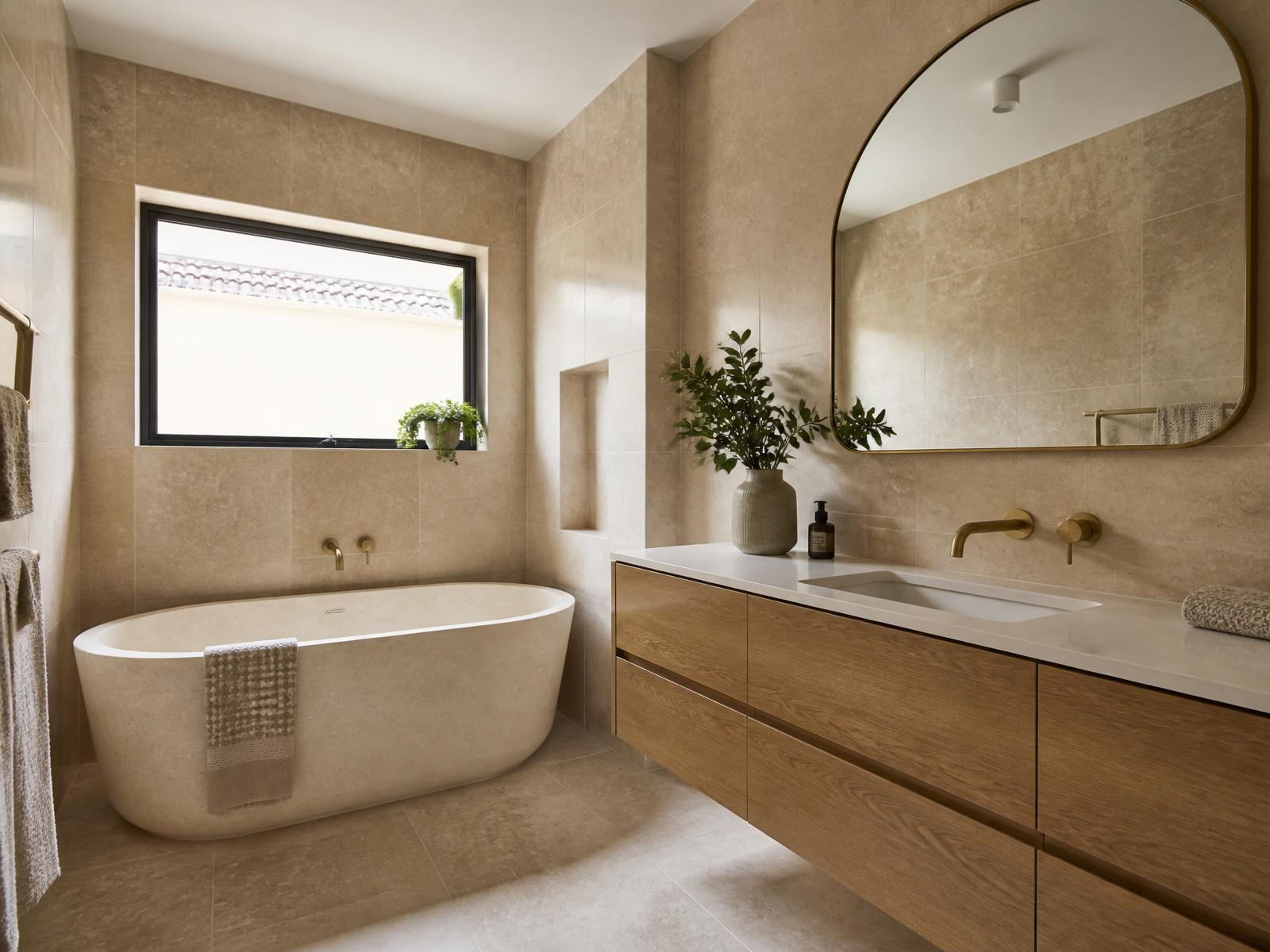
Warm Oak & Travertine
Honed travertine, oak veneer joinery and brushed brass tapware.
View inspiration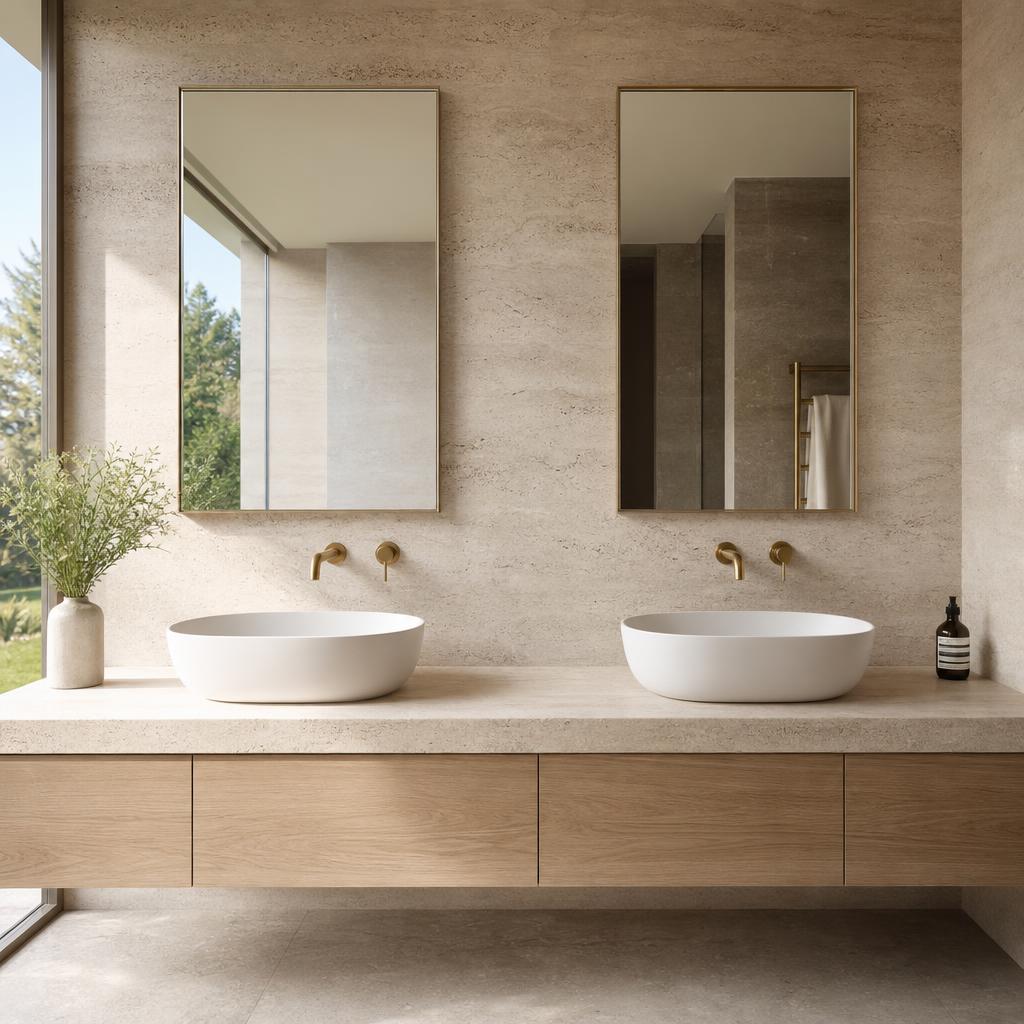
Luxury Stone Ensuite
Book-matched travertine, twin oak vanity and brushed brass fixtures.
View inspiration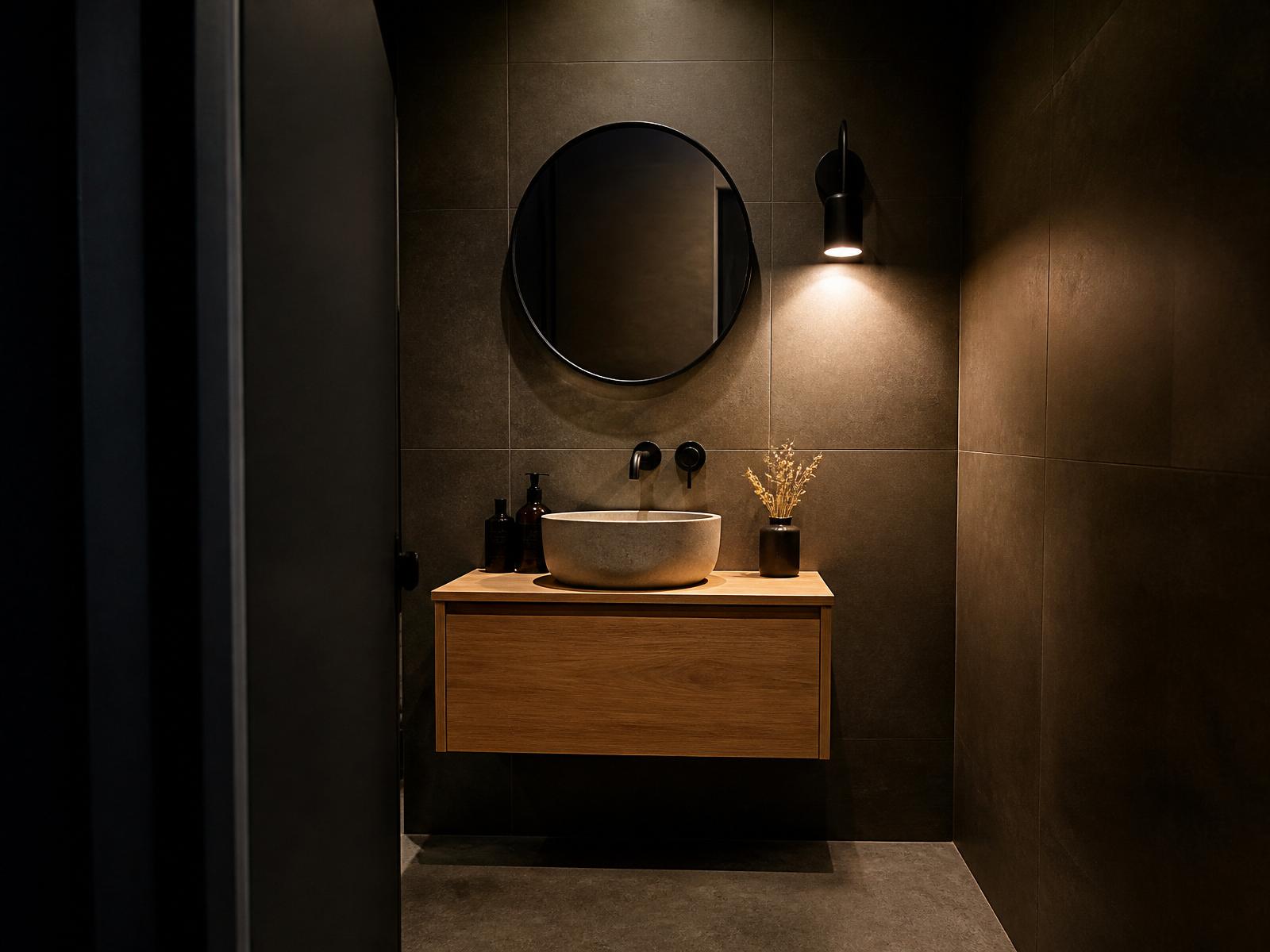
Fluted Stone Heritage
Fluted travertine, matte black tapware and a back-lit curved mirror.
View inspirationEvery wet area, one licensed builder.
What we plan for in Northern Melbourne.
Where we work most in Northern Melbourne.
- Reservoir3073 · typical spend $24,950
Reservoir is one of the most active bathroom renovation suburbs in Melbourne's north. Housing here ranges from Californian bungalows on Broadway and Cheddar Road through post-war weatherboards along Cheddar and Spring Streets to the newer townhouse developments closer to Regent Station. Most bathrooms we replace in Reservoir were last renovated in the 1970s or 1990s — undersized, poorly waterproofed, and built on timber floors that need proper structural attention before tiling starts.
- Preston3072 · typical spend $26,500
Preston sits at the point where the inner-north's Californian bungalows and Edwardians give way to Reservoir's post-war stock. Most Preston bathroom renovations we quote are in homes that have already been extended or partially renovated — the kitchen is done, the living areas have been opened up, and the bathroom is now the last dated room. Layouts are usually tight and constrained by an external plumbing wall, which means a good renovation depends on a designer who can actually stretch every millimetre.
- Coburg3058 · typical spend $26,900
Coburg has moved from working-class inner-north to one of the most desirable renovation suburbs on the Upfield line. The housing mix is unusually broad — Edwardian workers' cottages, interwar bungalows, red-brick 1950s homes, and a growing wave of contemporary townhouses. Bathrooms in these older Coburg homes were almost always retrofitted in the 1960s or 1980s and share the same problems: undersized, poorly ventilated, and waterproofed to a long-superseded standard.
- Epping3076 · typical spend $23,500
Epping is one of the busiest bathroom-renovation suburbs on the northern line. The housing mix is broad — 1970s brick veneers around Cooper Street, 1990s and 2000s houses on the newer estates further north, and a growing wave of townhouses. Most Epping bathrooms we replace fall into two categories: 1970s originals that never really worked, and 2000s builders' specials that were built cheaply and are already showing failure at the shower base.
- Mill Park3082 · typical spend $23,000
Mill Park is dominated by 1980s and 1990s brick family homes built around the University Hill precinct. Bathrooms in this era are usually a reasonable size but dated — mission-brown timber vanities, cream tiles, and one-piece acrylic showers. A full renovation typically keeps the footprint and replaces every finish.
- South Morang3752 · typical spend $23,500
South Morang is largely 1990s and 2000s masterplanned housing — homes with reasonable-sized bathrooms and ensuites built to the standard of the day. Ten to twenty years on, most of these need re-waterproofing behind the shower and a full finish upgrade. Layout changes are less common here than in older suburbs.
Also servicing
Book your free Northern Melbourne inspection.
Written quote after your on-site inspection. Fixed before any demolition starts.